Last updated: May 2026. Park fees, hours, permits, and seasonal closures change often — confirm with the official park websites before booking.
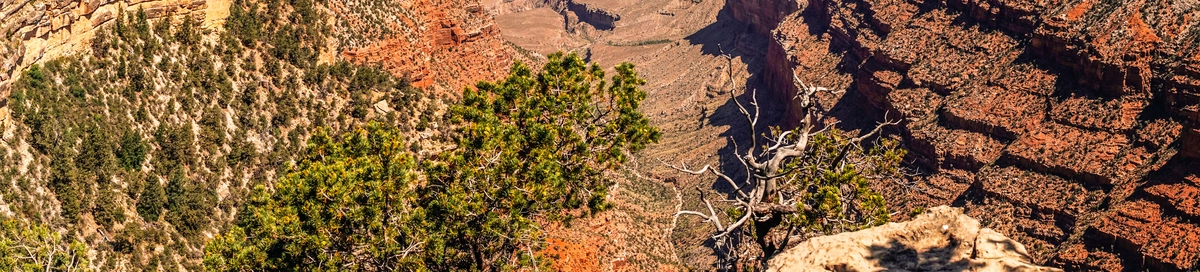
Everyone has a Grand Canyon photo. The South Rim at sunset, the same five viewpoints, the same orange wash. After ten days driving the loop from Vegas through Zion, Bryce, Capitol Reef, Moab, and back to the rim, what stays with you isn’t the canyon itself. It’s the smell of juniper at 6 a.m. on the Bright Angel Trail. The way Utah’s Highway 12 unspools through a sandstone canyon you didn’t know was on the route. The fact that nobody, in any guidebook, warned me about the wind on Hopi Point.
This is the trip done right. Let’s get into it.
The Grand Canyon: South Rim or North Rim?
For first-timers the answer is the South Rim, full stop. Open year-round, in-park lodges, an actual shuttle system, and the views you came for. The North Rim is the better trip — quieter, weirder, more “wilderness lodge” — but as of this writing its complicated. Per the NPS, the park is reopening for the season with no in-park lodging due to recovery from the 2025 Dragon Bravo Fire, no fuel inside the gates, limited water. Day-use only, essentially. Worth it if you’ve already done the South Rim and want a different texture; skip if you haven’t.
Three Things You Have to Do at the Canyon
Bright Angel Trail. Don’t be a hero. Most people turn around at the 1.5-Mile Resthouse and tell themselves they did it. Three-Mile is where the canyon actually opens up — that’s the real day-hike sweet spot, six miles round trip about 2,100 feet of climb back. Hiking to the river and back in a single day is genuinely dangerous. The NPS says don’t and they mean it.
Rafting. If you can plan twelve months out and accomodate the cost, do it. Western River Expeditions’ currently published rates start around $2,015 per person for three-day motorized trips and $2,415 for four-day, with longer expeditions running well above $4,000 — and that doesn’t include the charter flight, which is roughly another $368 on most itineraries. Most spring and summer dory departures are already waitlist only at this point.
Helicopters. Skip the Vegas departures. They run pricier, the flight time over open desert eats the experience, and you’ll be in a six-pack chopper with strangers who haven’t read the safety briefing. Fly from Tusayan instead — the South Rim’s own airport — where a 25-minute North Canyon route currently sits in the high $200s per person plus fuel surcharge (Grand Canyon Helicopter Tours pricing reference).
Utah’s Mighty Five: A Field Guide
Five parks, five different planets. Pick your favorites; you don’t have to fall in love with all of them.
Zion. The Narrows is the most famous river hike in America for a reason. Angels Landing is permit-only — chains, exposure, the works — and the permit lottery runs in two phases: a seasonal lottery that opens months ahead, and a day-before lottery that drops the night before for next-morning slots. Miss the first, try the second. Spring or fall, full stop. Summer hits 100°F+ in the canyon and your hike turns into a slog with less people actually finishing it than you’d guess.
Bryce Canyon. Not a canyon. It’s an amphitheater of hoodoos that looks like the Pixar version of a desert. Sunrise from Inspiration Point at 8,000 feet is cold enough in October that you’ll want gloves. Plan the Queens Garden–Navajo Loop figure-eight, one day is enough.
Arches. Delicate Arch is the calendar shot — three miles round-trip, about 538 feet of climb, sunset is the move. The trap: Devils Garden is where the real day hikes live. Landscape Arch is a half-mile in and worth the detour even if your kids hate hiking. Worth knowing — Arches has dropped the mandatory timed-entry reservation it ran in recent peak seasons, so for now you can show up and drive in. NPS reviews this annually though, so check the park page the week before you travel.
Canyonlands (Island in the Sky). Mesa Arch sunrise is loud — two dozen photographers tripoded up before first light, the kind of golden underglow that explains why everyone is there. Worth setting an alarm. Grand View Point and Green River Overlook fill the rest of the morning.
Capitol Reef. Always the underrated one. Drive the paved Scenic Drive, walk Hickman Bridge, eat a slice of pie at the Gifford Homestead. The orchards in Fruita let you pick fruit when its in season — cherries late June, apricots July, peaches and pears August into September. Don’t skip this park.
When to Go (And When Not To)
April through May, September through October. That’s it. The shoulder windows mean fewer crowds, less brutal heat, fall color on the North Rim and in Zion, no snow at Bryce yet. Summer brings 100°F+ in low-elevation parks, dangerous for hiking and the highest lodge prices of the year. Winter is gorgeous if your willing to drive it — empty parks, snow on the hoodoos — but Bryce hits below freezing and the North Rim closes entirely.
A 10-Day Loop That Actually Works
Las Vegas in, Las Vegas out. About 1,100 miles total.
- Day 1: Vegas → Springdale (160 mi). Watchman Trail at sunset.
- Day 2: Zion full day — Narrows or Emerald Pools.
- Day 3: Springdale → Bryce (84 mi). Sunset at Sunset Point. (Yes, that’s the actual name.)
- Day 4: Bryce → Torrey via Highway 12 (~124 mi, the most underrated drive in the country).
- Day 5: Capitol Reef Scenic Drive, then Torrey → Moab (~150 mi).
- Day 6: Arches. Delicate Arch at sunset.
- Day 7: Canyonlands. Mesa Arch sunrise, Grand View Point after.
- Day 8: Moab → Grand Canyon South Rim (~325 mi, longest driving day). Sunset at Hopi Point.
- Day 9: Bright Angel partial hike, optional Tusayan helicopter.
- Day 10: Grand Canyon → Vegas (~280 mi).
Where to Stay — Honest Picks
Skip Sorrel River Ranch unless you genuinely want to spend luxury-resort money to be twenty minutes from Arches (recent listings have it pushing past $1,000 a night in season). Hoodoo Moab does the design-hotel thing for substantially less and your closer to Delicate Arch at dawn anyway. In Zion, Cliffrose by Hilton is the right call — riverside, reasonable in shoulder season, walkable to the shuttle. At the South Rim, El Tovar if you book twelve months out, The Grand Hotel in Tusayan if you don’t. Bryce: the in-park Lodge if you can get it, otherwise Stone Canyon Inn near Tropic. Capitol Reef Resort in Torrey is fine — not luxury, but the cabins do the job.
Things to Know Before You Book
If your a non-U.S. resident in 2026 the new $250 Non-Resident Annual Pass is worth it — it waives the $100-per-park surcharge at parks like Grand Canyon, Zion and Bryce. Without it those add up fast. Bryce sits at 8,000 feet — go easy your first day. And nobody tells you this: pack a wind shell. Even in July.
Five Questions People Actually Ask
How many days do I really need? Seven is doable, ten is the sweet spot, twelve gives you breathing room.
Vegas or Phoenix as a base? Vegas. Better flights, easier rentals, shorter drive to Zion.
Do I need a 4×4? No. Standard car is fine for the whole loop. The 4×4 is for backcountry routes like Cathedral Valley or White Rim — different trip.
Can I do this in summer? You can. You’ll regret it. 100°F+ in Zion canyon, peak crowds, peak lodge prices. Choose spring or fall if you have the choice.
Best single stop if I only have three days? Zion. Most variety, easiest access from Vegas, and The Narrows is the kind of hike you tell people about for years.