Category: Destinations

Explore the world’s most captivating travel destinations

  • Rio Carnival: What to Book, Skip, and Know Before You Go Now

    Rio Carnival: What to Book, Skip, and Know Before You Go Now

    Last updated: May 2026. Parade orders, bloco schedules, ticket inventory, and hotel rates move fast around Carnival. Confirm current details with Riotur before booking.

    By 7 a.m. in Rio, the glitter is already on the sidewalk, the beer trucks are humming, and the air feels damp enough to wear. Carnival is not one party. It’s a month-long citywide fever with brass bands, sunscreen, sweat and some genuinely expensive decisions if you want to do it well. Worth it. After enough high-noise festivals Rio is one of the few that really rewards a plan. Here’s how I’d actually do it.

    Rio Carnival Is Bigger Than Five Days

    The first mistake is thinking Carnival means only the classic Friday-to-Tuesday run. In 2026, the official street program started on January 17 and ran through February 22, with 462 scheduled blocos and roughly 6 million expected revelers, according to Agência Brasil’s official reporting. The core Carnival dates were February 13 to 17, and the energy stretched beyond that into the Champions Parade window.

    That matters because the smart traveler doesn’t have to arrive on the absolute peak weekend and throw themselves into the loudest possible version of Rio. Between pre-Carnival, main Carnival and the afterglow days, there is room to choose your tempo. Less panic, better hotel rates, easier restaurant reservations.

    Where to Stay If You Want Sleep and Sanity

    Don’t stay near the Sambadrome just because a map tells you it’s close. For most visitors—especially anyone paying real money for a nice room—the South Zone is the right base: Copacabana, Ipanema, and Leblon. That’s where you can get beach, better breakfast, decent security habits, and a far easier recovery day.

    Copacabana Palace is the obvious splurge, and the reason is simple: service that can absorb chaos. Standard rates in 2026 can start around US$693 outside peak periods and climb far past that, all the way to suite territory above US$6,000. During Carnival, its a different conversation. If your willing to pay for insulation, this is the classic answer. If not, a strong five-star in Copacabana or Ipanema with good transfers gets you most of the way there.

    The Sambadrome Question

    If you are going to do the Sambadrome do it properly. The Special Group parades in 2026 ran over three nights—February 15, 16 and 17—with four schools per night and a 10 p.m. start, as laid out by LIESA. Twelve elite schools total. The production scale is ridiculous, more opera than street party, and over 120,000 spectators pass through across the three nights.

    Most people either underbuy here or overspend blindly, both are avoidable.

    Three ticket choices that actually make sense

    First: grandstands on a less-coveted night if you mostly want the sound, the crowd, and the fact of being there. Access tickets can start around US$30, and better grandstand seats for stronger nights often move into the US$150 to 300 range. Good for curiosity. Not luxury.

    Second: front boxes or frisas, where the view feels immediate and you don’t spend the whole night wedged against concrete. Official 2026 examples at TicketRio included front-box seats around US$150 to US$190 for some parade nights, with Champions Parade options rising above US$500. This is the tier I like for people who want a real memory without committing to all-inclusive everything.

    Third: camarotes. Honestly, for high-spend travelers these can be the best value once you factor in open bar, proper bathrooms, buffet food, security and often transfers. The broad 2026 range was roughly US$300 to US$1,200+ per night, and packages like Folia Tropical were repositioning for 2026 in Sector 8. Expensive, yes. But also easier.

    Blocos: Do Them in the Morning

    The blocos are the free heart of Carnival, and they are not all the same. Some are glossy beach-party affairs in Ipanema. Some in Lapa go hard and stay hard. Santa Teresa and Botafogo tend to feel bohemian; Leblon is calmer, more family-heavy, less performance. Neighborhood matters.

    If I were guiding a first timer I would not start with a mega-bloco at 3 p.m. in blazing heat. I would start early. A 7 a.m. to 11 a.m. bloco with mostly locals, cold coconut water, and less people shoving past you than you might expect is where Rio starts making sense. Use official schedules, curated bloco apps, and your hotel concierge. Don’t just follow the loudest speaker truck.

    My Rio Carnival Rhythm

    The people who enjoy Rio most are usually the ones who stop pretending they can do everything. Carnival is an endurance event in sequins. Party day, lighter day, proper sit-down dinner, one big parade night, beach morning and repeat.

    • Day 1: arrive in Zona Sul, do almost nothing, dinner early, bed.
    • Day 2: morning bloco in Ipanema or Laranjeiras, long lunch, nap, quiet drinks.
    • Day 3: beach, museum or hotel pool, then one serious Sambadrome night.
    • Day 4: recovery breakfast, no guilt, maybe a smaller neighborhood bloco after 10 a.m.
    • Day 5: one last party window, then a civilized dinner and an early exit.

    By day three what occured to me last time was how much better Rio feels when you leave room for boredom. That pattern sounds unromantic until you see the alternative: sunburn, stolen phone, no voice, missed parade, tears in the lobby. No thanks.

    Safety and Heat Are Part of the Price

    Rio during Carnival asks for more common sense than many people bring. City health officials have advised visitors to drink more water, wear light clothing, use sunscreen, and avoid cosmetics or hair products that trigger allergies in the heat. That sounds boring until noon hits and the pavement starts throwing heat back at you.

    The security side is less boring. The U.S. Embassy’s Carnival alert told travelers not to accept drinks from strangers, not to leave drinks unattended, and to avoid favelas even in the context of blocos. That’s not paranoia. That’s basics. In 2026, police operations during Carnival included undercover officers in costume and more than 13,000 stolen mobile phones were reportedly recovered. Phones are the weak spot. Always.

    If you can accomodate one annoying habit, make it this: carry a cheap crossbody bag, keep one backup card in the hotel safe, and don’t use your nicest phone case. Fancy is fine at dinner. Less so in a crowd of two hundred thousand.

    Five Questions People Actually Ask

    How many Carnival nights do I need? Three to five days is enough for most people. Seven only makes sense if you intentionally build in recovery time.

    Do I need Sambadrome tickets and bloco plans? Yes for the Sambadrome, no for blocos. Blocos are free, but you still need timing and neighborhood strategy.

    Is a camarote worth it? If comfort matters, yes. Its the least chaotic way to see the parade well.

    Should I stay in Copacabana or Ipanema? Either works. Ipanema feels sharper, Copacabana is easier logistically and often has more big-hotel inventory.

    Can I do Carnival without partying all day? Absolutely. Rio rewards selective energy, nonstop bravado gets punished.
  • Thailand Street Food: Where to Actually Eat in Bangkok and Beyond

    Thailand Street Food: Where to Actually Eat in Bangkok and Beyond

    Last updated: May 2026. Vendor hours, closures and hygiene conditions can shift fast in Thailand, especially at markets and night-food zones. Confirm basics with the Tourism Authority of Thailand before booking.

    The smell that gets me in Thailand is charcoal first, then fish sauce, then the sweet edge of coconut smoke coming off a pan behind you. The best street-food nights here rarely look polished. They look loud, humid, a little improvised. Worth it. After enough meals in Bangkok, Chiang Mai and Phuket, here’s what I stop for, what I skip, and where I’d send my own friends.

    Bangkok Street Food Is Still Very Much a Thing

    Let’s clear out the old rumor first: Bangkok did not “ban” street food. The city regulates where vendors can operate, but the TAT statement on the issue is explicit that there is no outright ban. That’s the right frame for eating here now. You go where the food culture still has momentum — Yaowarat, Wang Lang and Victory Monument — not where a tired list sent you years ago.

    Jodd Fairs still matters, just not in the old plural form. The original Rama 9 site is gone, the DanNeramit branch is gone too, and Jodd Fairs Ratchada is now the only one left. It runs daily from 5 p.m. to 1 a.m., free entry, with typical food running roughly 50 to 400 THB.

    Start With Yaowarat

    If someone has one proper street-food night in Bangkok I send them to Yaowarat Road. Chinatown is still ground zero for the city: old vendors, fierce competition, wok smoke in the traffic, enough turnover that you can read the room in thirty seconds. Go hungry.

    The mistake people make is eating at the first stall with a line. Walk the strip once before you order anything, then double back. Yaowarat rewards patience, the best move is to find a stall doing one thing fast and over and over. Start with seafood. Or noodles. Or something sweet you buy with sticky fingers and eat on a plastic stool because there’s nowhere elegant to put it.

    Three Bangkok Stops I Actually Repeat

    The daytime-and-late-night trio that earns a detour

    Wang Lang Market. If your only doing one daytime food run in Bangkok, make it this one. It’s near Siriraj Hospital on the Thonburi side, easy from the Grand Palace area by river, and it still feels mostly local. Open roughly from morning to early evening, with alleyways full of snacks, noodles, fruit, tea and less tourists photographing lunch than you’ll get across the river.

    Victory Monument. This is the boat-noodle stop. Late morning through evening, canal-side, tiny bowls stacked like a dare. Most bowls run about 12 to 20 THB, so you order three or five or eight and don’t overthink it. The first time I went what occured to me was how little ceremony there is around something people talk about so much — you sit, you point, you eat, you count bowls at the end.

    Or Tor Kor Market. This is where I send produce people, neat freaks, and anyone staying somewhere nice who still wants market food without chaos spilling into the equation. It’s usually open daily from around 6 a.m. and easy off MRT Kamphaeng Phet. Prices are higher here than at other Thai markets, but the quality is obvious in the fruit, curry pastes, prepared food and the fact that the place feels cared for.

    Chiang Mai Is Better When You Eat by the Gate

    In Chiang Mai the mistake is ending up at a shopping-heavy night bazaar and calling it a food night. I wouldn’t. Chang Phuak, just outside the North Gate, is the better call when you want an evening built around eating first. Most stalls start around 5 p.m. and run to midnight or close enough.

    Chiang Mai Gate is the more flexible stop because its practically two markets in one location. Early morning for breakfast and produce, then again from about 5 p.m. into the night for street food. That’s where I like to go for grilled pork, khao soi and mango sticky rice when I want dinner to feel useful rather than dressed up.

    Phuket Has Better Street Food Than Resort Travelers Expect

    People come to Phuket and spend half the trip eating hotel breakfasts and beach-club lunches that could be anywhere. That’s a waste. The better move is Phuket Town or one of the night markets — Naka, Chillva, local market rows where the lighting is harsh and the food is good enough that nobody cares. Most dishes stay under 100 THB, many under 50, and its one of the easiest places in Thailand to eat widely without spending much.

    What I like about Phuket’s markets is that they still operate like neighborhood kitchens. You point more than you speak, there may be no menu at all, and a lot of the food is built for regulars instead of travelers who need a performance.

    How I Eat Street Food Without Wrecking the Trip

    There is a macho version of Thai street-food advice that I ignore completely. I don’t need to prove anything with a lukewarm oyster at 11 p.m. Thailand’s health authorities have been especially vocal in 2026 because hepatitis A cases rose sharply, and the guidance quoted by the Disease Control Department reporting is plain: eat thoroughly cooked food, drink clean water, avoid questionable ice, wash your hands.

    Thailand also has the long-running Clean Food Good Taste program, which exists for a reason. If you can accomodate exactly one boring habit on a food trip, make it this: don’t eat carelessly just because the setting is romantic.

    • Choose stalls where food is cooked fresh and served steaming hot.
    • Skip raw garnishes or raw seafood if the stall feels uncertain.
    • Peel fruit yourself when possible.
    • Watch the ice and the water, especially in very hot weather.
    • Busy stall, fast turnover, clean hands — that’s the combination I trust.

    Bangkok still delivers absurd value if you eat like the city wants you to. A typical noodle dish can land around 1 to 2 USD, fried snacks around 50 cents to 1 USD, grilled skewers even less, desserts around 1 to 2 USD, drinks around 50 cents to 1.50. Jodd Fairs can run higher depending on what you order, Or Tor Kor definitely does, but the baseline remains low for the quality. If you’re smart, 5 to 10 USD a day on food is still possible.

    Luxury in Thailand isn’t avoiding street food. It’s knowing when the 20-baht bowl is the thing to build the night around, and when to go back to the hotel for a shower and a proper glass of wine.

    Five Questions People Actually Ask

    Is Bangkok street food still worth planning around? Absolutely. Just plan around the right neighborhoods instead of repeating old lists.

    Which Bangkok area should a first-timer do first? Yaowarat for dinner. Wang Lang for daytime grazing. Victory Monument if you want one very specific Bangkok ritual.

    Is Jodd Fairs touristy? Yes, but that doesn’t make it useless. It’s convenient, open late, and good when a group can’t agree on one thing.

    Can I eat street food outside Bangkok and still eat well? Easily. Chiang Mai and Phuket both have strong market cultures, and Chiang Mai is more pleasant for a slow food night.

    What’s the one rule that matters most? Eat hot food from busy stalls. Everything else follows from that.

  • Iceland Nature: Glaciers, Geysers, and Volcanic Landscapes

    Iceland Nature: Glaciers, Geysers, and Volcanic Landscapes

    Last updated: May 2026. Eruption access, weather, parking fees, and road conditions can change quickly in Iceland. Confirm current conditions with Safetravel before booking.

    It’s the smell of sulfur outside the car at Haukadalur, the wet wool feeling of gloves after a glacier stop, the hard slap of wind on the South Coast. After a couple of loops through the country what I trust most is the texture. Cold enough to wake you up. Loud enough to keep you honest. Here’s how I’d actually do Iceland nature now.

    Why Iceland Feels So Physical

    Iceland gets reduced to a neat slogan — glaciers, geysers and volcanoes — and the real country is rougher than that. Glaciers cover about 11% of the island, with 269 named glaciers, and many sit close to active volcanic systems. Visit Iceland leans on the “fire and ice” contrast for a reason, but in person it feels less like branding and more like geology refusing to be tidy. Vatnajökull alone takes up roughly 8% of Iceland’s landmass. The national park around it covers about 14% of the country. That isn’t scenery in the casual sense. Its geography pushing back.

    What makes Iceland special is that the contrasts are not decorative. Steam comes off the ground while ice sits on the horizon. Nature here is still in charge.

    The Glacier Country Worth Your Time

    If you’re only doing one serious nature stretch make it the southeast. The area around Vatnajökull National Park is the one I would send most first-time visitors to, because it gives you scale. Parts of the glacier are more than 1,000 meters thick, and the whole system has been thinning over time.

    At Jökulsárlón the lagoon looks still, the ice is always moving. Regional parking at Skaftafell and Jökulsárlón starts at 1,040 ISK for a standard car, so don’t build your budget around old posts that still act like every stop is free.

    Three glacier splurges I’d actually recommend

    First: a guided glacier hike near Skaftafell or Sólheimajökull. If your doing Iceland once, this is the cleanest entry point. Crampons, rope, a guide who knows what they’re looking at, and less people wandering around pretending they understand glacier terrain than you’d think.

    Second: a Zodiac tour at Jökulsárlón. Prices start around 14,900 ISK, and the boats get you closer to the ice than the cheaper amphibian option. Colder, louder, better. Worth it.

    Third: a Katla ice cave tour from Vík, if you can accomodate the spend. Group departures start around 29,900 ISK, and the color palette alone is enough to justify it — soot, blue ice, wet black rock, everybody suddenly whispering.

    Geysers Done the Right Way

    The Golden Circle is easy to do badly. Too late in the day, too many stops, too much windshield time. Done early, Haukadalur earns its reputation. Strokkur erupts every 5 to 10 minutes, which means you don’t need luck so much as two patient cycles. The second is usually better.

    Great Geysir is mostly dormant now, but the valley still explains itself fast: boiling ground, mineral color and steam drifting sideways in the wind. By late morning the coach traffic changes the mood completely so I like to get in, walk it properly, and leave. If you want a quieter fire-and-ice day, Snæfellsjökull National Park is the one I reach for: Iceland’s only national park that runs from summit to sea. Not subtle.

    Where Fire Still Matters

    Volcano headlines make people dramatic, and Iceland usually does not deserve that treatment. Recent eruptions on the Reykjanes Peninsula have been highly localized, with officials repeatedly saying that flights and most travel across the country continue as normal outside restricted zones. That’s the right way to think about it. Respect closures. Check conditions. Don’t cancel a glacier-heavy trip in the east because of one fissure near Grindavík.

    My low-drama rule is simple: check Visit Reykjanes for current access, download the 112 Iceland app before you leave Keflavík, and never improvise near fresh lava. New lava can collapse underfoot, exposing heat below. Its not the place for bravado.

    The Coast That Needs Respect

    People treat Reynisfjara like a quick photo stop, and that’s exactly how they get in trouble there. It remains one of Iceland’s most dangerous natural sites because of sneaker waves, strong currents, and the kind of back-pull that makes the whole beach feel mean for a second. Early 2026 storms and erosion reshaped parts of it, too, narrowing areas that older guidebooks describe as casually walkable.

    At Reynisfjara the light system is the whole story. Red means stay off. Yellow means you keep back to the marked line. Green still means you watch the sea every second. If waves are reaching the rocks I stay up on the ridge or platform and call that enough, especially when its rough and the beach has narrowed.

    What It Costs, and How I’d Shape the Route

    Iceland is still a place where access to nature sounds free until the logistics start stacking up. Þingvellir parking runs about 1,000 ISK. Skógafoss parking has been 1,000 ISK since May 2025. Jökulsárlón and Skaftafell use the regional-fee model. Over a week it adds up fast.

    Then there’s Blue Lagoon. It’s man-made, not a natural hot spring basin, and the water usually sits around 37–40°C. Current starting prices are around 11,990 ISK for Comfort, 14,990 ISK for Premium and 18,490 ISK for Signature, with dynamic pricing on top. I still prefer it at the edges of the day, when the light goes milky and it feels calmer.

    If you’re chasing glaciers, geysers, black sand, and volcanic landscapes I would not move hotels every night. The real luxury move in Iceland is time.

    • Day 1: Reykjavík arrival, easy dinner, bed.
    • Day 2: Thingvellir, Haukadalur, Gullfoss, then sleep nearby.
    • Day 3: South Coast with Seljalandsfoss, Skógafoss and a careful Reynisfjara stop, then Vík.
    • Day 4: Glacier hike or Katla cave, depending on weather.
    • Day 5: Skaftafell and Jökulsárlón, with room to stay late.
    • Day 6: Weather buffer, Zodiac add-on, or a slow drive west.

    That buffer day matters more than people think. Iceland weather changes fast, your schedule should flex with it. That’s how the trip feels luxurious in the end — not because every stop is expensive, but because your not trying to cram the whole island into one tired week.

    Five Questions People Actually Ask

    How many days do I need? Six full days gets you a satisfying version of this trip. Eight is where it starts to breathe.

    Should I do Blue Lagoon or skip it? If you hate paying for atmosphere, skip it. If you like good design, hot water, and not thinking for two hours after a long flight, go.

    Do I need a guide on glaciers? Yes. Guided only. Glacier terrain is not where confidence should outrun training.

    Are Iceland volcanoes a reason to cancel? Usually no. Check official Reykjanes and government updates, avoid closed zones, and plan around the actual affected area instead of the headline.

    What safety risk gets underestimated most? Reynisfjara. Not because it looks violent all the time, but because sometimes it doesn’t.

  • Solitaire Lodge: Quiet Luxury on New Zealand’s Lake Tarawera

    Solitaire Lodge: Quiet Luxury on New Zealand’s Lake Tarawera

    Last updated: May 2026. Suite inventory, DOC access rules, and live rates around Lake Tarawera can change. Confirm the practical details with the official lodge or DOC pages before booking.

    The first thing here is the sound. Water against the jetty, a glass set down in the lounge before dinner and the soft dull hush of weather moving across Lake Tarawera. This part of Rotorua can smell faintly of minerals after rain, and that helps somehow. Solitaire Lodge is one of those stays that works because it doesn’t try too hard. After enough trips the pattern is obvious. Here’s how I’d actually do it.

    Why Solitaire Lodge Feels Different

    A lot of high-end lodges promise seclusion and then hand you a parking lot view with a marketing adjective attached. Solitaire Lodge is more specific than that. It sits on a private peninsula on Lake Tarawera, about 20 minutes from Rotorua, with nine suites looking over the water and volcanic ridgelines. The MICHELIN Guide still refers to 10 rooms, but the lodge’s own current material and regional tourism sources are working off nine suites.

    Smaller, quieter, more contained.

    The feeling is less “destination compound” and more “somebody found the right curve of shoreline and stopped there.” One MICHELIN Key helps the positioning, but honestly the better argument is the lake itself.

    What the Full Board Rate Actually Gets You

    This is where people get lazy in their reading. Full board here does not mean breakfast and a polite dinner. The current tariff listed by Tourism New Zealand includes the room, an in-room minibar with alcoholic and non-alcoholic drinks, pre-dinner drinks & canapés, a five-course dinner, full country breakfast, a light lunch and the use of dinghies and kayaks.

    The nightly range listed by Tourism New Zealand runs from NZD 2,000 to NZD 4,400. A live OTA example I checked sat around NZD 2,520 with taxes for a one-night stay. On paper the rate looks sharp, in practice the inclusions do some of the work.

    And the dining rhythm matters. Pre-dinner drinks and canapés start at 7 p.m.; breakfast starts at 7:30 a.m. It’s a civilized cadence, which is another way of saying this lodge rewards guests who want the day to settle down instead of rev up.

    Which Suite Makes Sense

    If you’re spending this kind of money room choice matters more than people like to admit. The base Executive Suite is about 33 square meters; the Premium Executive is around 40. Then you move into the bigger names: Tarawera Suite at about 70 square meters, Solitaire Suite around 88, Villa Suite around 108.

    Three suite truths that matter more than the brochure language

    First: if this is a short romantic stay, I would not automatically leap to the biggest category. For a one-night stay the biggest suite is rarely the smartest move.

    Second: for a two-night stay, the Tarawera or Solitaire Suite is where the math starts to make more sense. Enough room to spread out, enough view to justify lingering, less of that boxed-in boutique-hotel feeling some couples get on the second morning.

    Third: families are more welcome than people assume. Tourism New Zealand notes that children are welcome, children under 5 are free, and early dining can be arranged from 6 p.m. for younger kids. That is not adults-only energy. Its quieter family energy.

    What to Do Here Without Turning It Into a Project

    The lodge gives you enough to do, and the trick is not overprogramming it. Easy lake access, kayaks, dinghies, trout fishing, thermal spring trips and walks.

    Plenty.

    For less guests that would already feel full; here it feels about right.

    • Day 1: arrive by mid-afternoon, do very little, drinks at seven, long dinner.
    • Day 2 early: do the thermal springs before breakfast if weather is decent.
    • Day 2 afternoon: kayak, dinghy, or a short local walk instead of committing to an all-day mission.
    • Day 3: only then consider a bigger outing like Tarawera Falls or a helicopter circuit.

    This is not me being anti-activity. It’s just that Lake Tarawera punishes the ambitious schedule. The quiet is part of what you’re paying for.

    What People Get Wrong About Lake Tarawera

    The biggest mistake is assuming nearby nature stops are casual add-ons. They aren’t.

    Hot Water Beach at Te Rātā Bay is not a quick dip you improvise after lunch. Reaching it on foot means a 15–16 kilometer Tarawera Trail tramp that takes five to six hours one way. Otherwise, you pre-book a water taxi. If you book Hot Water Beach by boat do it the day before. The DOC page also notes current campsite closures, booking rules for the 2026/27 season, and safety warnings around naturally occurring arsenic in water near the beach and stream.

    Tarawera Falls is the other one people misread. DOC says access is only available on Saturdays, Sundays, and public holidays and requires a permit because the carpark is reached via private forestry roads. The gate closes during darkness, and overnight parking is not allowed. If your planning a dreamy late-evening photography session and assuming open public access, stop. Read the Tarawera Falls access rules first.

    The Quiet Luxury Math

    This is where Solitaire Lodge either makes total sense or none at all.

    If you want constant action, broad resort infrastructure, or a dozen on-site diversions to justify the rate, I would not book this. Its going to feel under-stimulated by lunch on day two.

    If you want a place where the minibar is already handled, the lake is the entertainment, dinner has a clear rhythm and the room count is low enough that the property stays calm, then yes—it lands. Especially if you are pairing it with a louder New Zealand itinerary and need one stop that exhales.

    What occured to me after my first real lake-lodge stay was how fast a quiet place can feel expensive when you refuse to slow down.

    A place like this can feel overpriced if you treat it like a bed base. If the tariff can accomodate two nights, book two.

    Five Questions People Actually Ask

    Is Solitaire Lodge worth the money? If the point is quiet, yes. If the point is maximum activity per dollar, probably not.

    How many nights do I need? Two is the minimum that makes sense to me. One night is doable but slightly rushed.

    Is it family-friendly? Yes, more than the photos suggest. Children are welcome, and early dining can be arranged.

    Can I do Hot Water Beach and Tarawera Falls casually from the lodge? Not really. Both need more planning than they first appear to, and Tarawera Falls has access rules that can catch people out.

    What is the one thing I’d do first? The pre-breakfast thermal springs trip, if weather and logistics line up. Its the kind of quiet that stays with you.

  • Grand Canyon and Utah: Rugged Mountains and Riverbeds

    Grand Canyon and Utah: Rugged Mountains and Riverbeds

    Last updated: May 2026. Park fees, hours, permits, and seasonal closures change often — confirm with the official park websites before booking.

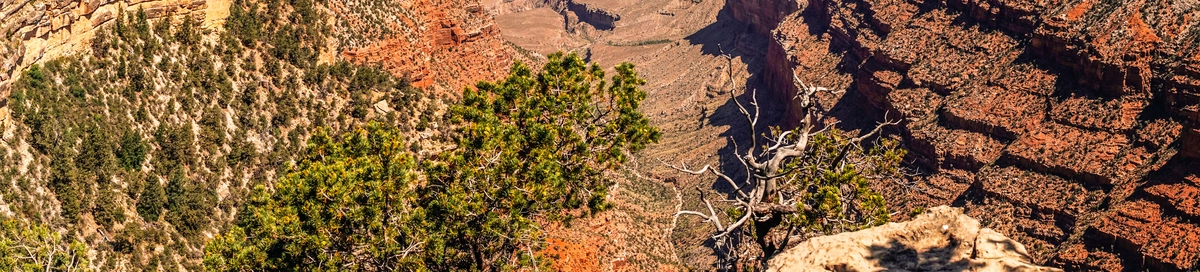
    Everyone has a Grand Canyon photo. The South Rim at sunset, the same five viewpoints, the same orange wash. After ten days driving the loop from Vegas through Zion, Bryce, Capitol Reef, Moab, and back to the rim, what stays with you isn’t the canyon itself. It’s the smell of juniper at 6 a.m. on the Bright Angel Trail. The way Utah’s Highway 12 unspools through a sandstone canyon you didn’t know was on the route. The fact that nobody, in any guidebook, warned me about the wind on Hopi Point.

    This is the trip done right. Let’s get into it.

    The Grand Canyon: South Rim or North Rim?

    For first-timers the answer is the South Rim, full stop. Open year-round, in-park lodges, an actual shuttle system, and the views you came for. The North Rim is the better trip — quieter, weirder, more “wilderness lodge” — but as of this writing its complicated. Per the NPS, the park is reopening for the season with no in-park lodging due to recovery from the 2025 Dragon Bravo Fire, no fuel inside the gates, limited water. Day-use only, essentially. Worth it if you’ve already done the South Rim and want a different texture; skip if you haven’t.

    Three Things You Have to Do at the Canyon

    Bright Angel Trail. Don’t be a hero. Most people turn around at the 1.5-Mile Resthouse and tell themselves they did it. Three-Mile is where the canyon actually opens up — that’s the real day-hike sweet spot, six miles round trip about 2,100 feet of climb back. Hiking to the river and back in a single day is genuinely dangerous. The NPS says don’t and they mean it.

    Rafting. If you can plan twelve months out and accomodate the cost, do it. Western River Expeditions’ currently published rates start around $2,015 per person for three-day motorized trips and $2,415 for four-day, with longer expeditions running well above $4,000 — and that doesn’t include the charter flight, which is roughly another $368 on most itineraries. Most spring and summer dory departures are already waitlist only at this point.

    Helicopters. Skip the Vegas departures. They run pricier, the flight time over open desert eats the experience, and you’ll be in a six-pack chopper with strangers who haven’t read the safety briefing. Fly from Tusayan instead — the South Rim’s own airport — where a 25-minute North Canyon route currently sits in the high $200s per person plus fuel surcharge (Grand Canyon Helicopter Tours pricing reference).

    Utah’s Mighty Five: A Field Guide

    Five parks, five different planets. Pick your favorites; you don’t have to fall in love with all of them.

    Zion. The Narrows is the most famous river hike in America for a reason. Angels Landing is permit-only — chains, exposure, the works — and the permit lottery runs in two phases: a seasonal lottery that opens months ahead, and a day-before lottery that drops the night before for next-morning slots. Miss the first, try the second. Spring or fall, full stop. Summer hits 100°F+ in the canyon and your hike turns into a slog with less people actually finishing it than you’d guess.

    Bryce Canyon. Not a canyon. It’s an amphitheater of hoodoos that looks like the Pixar version of a desert. Sunrise from Inspiration Point at 8,000 feet is cold enough in October that you’ll want gloves. Plan the Queens Garden–Navajo Loop figure-eight, one day is enough.

    Arches. Delicate Arch is the calendar shot — three miles round-trip, about 538 feet of climb, sunset is the move. The trap: Devils Garden is where the real day hikes live. Landscape Arch is a half-mile in and worth the detour even if your kids hate hiking. Worth knowing — Arches has dropped the mandatory timed-entry reservation it ran in recent peak seasons, so for now you can show up and drive in. NPS reviews this annually though, so check the park page the week before you travel.

    Canyonlands (Island in the Sky). Mesa Arch sunrise is loud — two dozen photographers tripoded up before first light, the kind of golden underglow that explains why everyone is there. Worth setting an alarm. Grand View Point and Green River Overlook fill the rest of the morning.

    Capitol Reef. Always the underrated one. Drive the paved Scenic Drive, walk Hickman Bridge, eat a slice of pie at the Gifford Homestead. The orchards in Fruita let you pick fruit when its in season — cherries late June, apricots July, peaches and pears August into September. Don’t skip this park.

    When to Go (And When Not To)

    April through May, September through October. That’s it. The shoulder windows mean fewer crowds, less brutal heat, fall color on the North Rim and in Zion, no snow at Bryce yet. Summer brings 100°F+ in low-elevation parks, dangerous for hiking and the highest lodge prices of the year. Winter is gorgeous if your willing to drive it — empty parks, snow on the hoodoos — but Bryce hits below freezing and the North Rim closes entirely.

    A 10-Day Loop That Actually Works

    Las Vegas in, Las Vegas out. About 1,100 miles total.

    • Day 1: Vegas → Springdale (160 mi). Watchman Trail at sunset.
    • Day 2: Zion full day — Narrows or Emerald Pools.
    • Day 3: Springdale → Bryce (84 mi). Sunset at Sunset Point. (Yes, that’s the actual name.)
    • Day 4: Bryce → Torrey via Highway 12 (~124 mi, the most underrated drive in the country).
    • Day 5: Capitol Reef Scenic Drive, then Torrey → Moab (~150 mi).
    • Day 6: Arches. Delicate Arch at sunset.
    • Day 7: Canyonlands. Mesa Arch sunrise, Grand View Point after.
    • Day 8: Moab → Grand Canyon South Rim (~325 mi, longest driving day). Sunset at Hopi Point.
    • Day 9: Bright Angel partial hike, optional Tusayan helicopter.
    • Day 10: Grand Canyon → Vegas (~280 mi).

    Where to Stay — Honest Picks

    Skip Sorrel River Ranch unless you genuinely want to spend luxury-resort money to be twenty minutes from Arches (recent listings have it pushing past $1,000 a night in season). Hoodoo Moab does the design-hotel thing for substantially less and your closer to Delicate Arch at dawn anyway. In Zion, Cliffrose by Hilton is the right call — riverside, reasonable in shoulder season, walkable to the shuttle. At the South Rim, El Tovar if you book twelve months out, The Grand Hotel in Tusayan if you don’t. Bryce: the in-park Lodge if you can get it, otherwise Stone Canyon Inn near Tropic. Capitol Reef Resort in Torrey is fine — not luxury, but the cabins do the job.

    Things to Know Before You Book

    If your a non-U.S. resident in 2026 the new $250 Non-Resident Annual Pass is worth it — it waives the $100-per-park surcharge at parks like Grand Canyon, Zion and Bryce. Without it those add up fast. Bryce sits at 8,000 feet — go easy your first day. And nobody tells you this: pack a wind shell. Even in July.

    Five Questions People Actually Ask

    How many days do I really need? Seven is doable, ten is the sweet spot, twelve gives you breathing room.

    Vegas or Phoenix as a base? Vegas. Better flights, easier rentals, shorter drive to Zion.

    Do I need a 4×4? No. Standard car is fine for the whole loop. The 4×4 is for backcountry routes like Cathedral Valley or White Rim — different trip.

    Can I do this in summer? You can. You’ll regret it. 100°F+ in Zion canyon, peak crowds, peak lodge prices. Choose spring or fall if you have the choice.

    Best single stop if I only have three days? Zion. Most variety, easiest access from Vegas, and The Narrows is the kind of hike you tell people about for years.

  • Brazilian Amazon Eco-Luxury: Best Stays Beyond Manaus in 2026

    Brazilian Amazon Eco-Luxury: Best Stays Beyond Manaus in 2026

    Last updated: May 2026. Prices, opening hours, and entry requirements shift with seasons and policy changes — confirm directly with operators or official sources before booking. U.S. travelers should check travel.state.gov for current entry requirements.

    The first surprise in the Brazilian Amazon is how quickly Manaus stops mattering. One minute it is diesel on the riverfront, a damp shirt by breakfast and black water that reflects the sky like smoked glass. That contrast is the whole sell. The luxury version is not softer jungle. It is better logistics, better guiding, and less wasted time. After a few Amazon itineraries the pattern is obvious. Here’s what actually matters.

    The Brochure Version Gets This Wrong

    A lot of Amazon copy still treats “luxury” as if it means the forest with prettier linen. It doesn’t. The Brazilian Amazon is hot, muddy, loud at dawn, and often wet even when travelers call it “dry season.” What money buys you here is not distance from that. It buys you a room that cools down properly, a guide who can call out a toucan before you see the branch move, and a boat schedule that does not feel improvised.

    That is why eco-luxury works here when it works at all. You are not paying for fantasy. You are paying for access, smaller groups, and competence. Not fantasy.

    Manaus Is the Gateway, Not the Goal

    Manaus works best as a hinge. Brazil’s official tourism material is right to push the Meeting of the Waters, Amazonian cuisine and the city-to-river contrast, but most luxury travelers do not need three full nights here. One on arrival is usually enough. Two only if your flight lands late or you want a small buffer before the river transfer.

    If you do stay make the river your priority. A dedicated Meeting of the Waters trip is normally three to four hours, and it is worth doing early or late rather than in the thick of the day. The line between the coffee-black Rio Negro and the sand-colored Solimões is visible from deck level for kilometers, and you can literally feel the temperature difference by dipping a hand over the side. The better 2026 tours run roughly US$45–65 for a half-day group outing; private boats climb fast from there.

    Where to Actually Stay

    For most first-timers Anavilhanas Jungle Lodge is the cleanest answer. It faces Anavilhanas National Park on the Rio Negro and has 25 rooms, two pools, a floating bar, a massage room and enough structure to make three to five nights feel easy. The official lodge site is useful for the room categories and excursion style, and the official 2026 tariff is unusually clear: full-board, transfers, and small-group outings are built in, with chalet packages starting from R$7,320 per person for 3 days and 2 nights in low season.

    Mirante do Gavião is the one I’d steer design-minded travelers toward. It is smaller — 13 suites — and based in Novo Airão rather than deeper off-grid forest, so the transfer from Manaus is simpler and the whole stay feels sharper. It is also one of the better picks for food-focused travelers, because the dining is taken seriously rather than treated as jungle fuel.

    Juma Amazon Lodge is for people who want to feel farther gone. The transfer is a mixed road-and-boat run of about three hours southeast of Manaus, and the stilted bungalows in the canopy make the whole thing feel more remote. If your idea of luxury is more privacy, more canopy and less contact with anything resembling a town, Juma makes sense.

    Three stays worth booking for different reasons

    First: Anavilhanas if this is your first Brazilian Amazon trip and you want the best balance of comfort, wildlife, and polished logistics.

    Second: Mirante do Gavião if your taste runs more architectural and you like being based in Novo Airão with easier access to the archipelago.

    Third: Juma if your brief is more privacy, more canopy, and less contact with anything resembling a town. Clean answer.

    A Good 5-Night Amazon Plan

    This is not a destination that rewards stuffing every day. The lodges already know when the light is right, when the river is calmer and when the birds are louder.

    • Day 1: Arrive in Manaus, sleep there, and do not pretend you want a heroic sightseeing push after a long-haul.
    • Day 2: Transfer to your lodge, settle in, do the late-afternoon river outing, then the night excursion for caiman eye-shine.
    • Day 3: Early-morning birding or primate spotting, long lunch, hammock or pool time, sunset by speedboat.
    • Day 4: In high water, canoe through flooded igapó forest; in low water, do a longer trail or beach stop on the Rio Negro.
    • Day 5: Add one deeper outing — pink dolphins, a more serious birding session, or a community visit if the operator handles it well.
    • Day 6: Return to Manaus and either fly out or give yourself one buffer night.

    If you are doing only four nights cut the Manaus buffer and go straight for the lodge transfer on arrival day, assuming your flight timing allows it. Still good.

    When to Go: High Water vs Low Water

    People still talk about the Amazon as if there is one rainy season and one dry season with a clean border. That is not how this part of Brazil actually feels. Around Manaus and the Rio Negro, the more useful split is high water versus low water, and the ICMBio visitor guide for Anavilhanas is one of the better official explanations of that rhythm.

    High water generally runs about December to May, though park officials are clear that the exact timing shifts year to year. This is when the igapó forest floods and you move silently between tree trunks by canoe or small boat. Its the season I’d choose for first-timers who want the dark-water-through-the-forest feeling they came for.

    Low water is usually June or July through November. The river drops, white-sand beaches appear, and more trails open up. This is the better fit for travelers who want to get out on foot and see the riverbanks exposed. Different trip. Not worse.

    What Responsible Means Here — and What to Skip

    This is the paragraph a lot of luxury Amazon stories duck. “Eco” sounds good until you ask what it means. In practice, the responsible operators here usually have the same bones: legal park access, very small groups, bilingual naturalist guides and an approach to wildlife that is less performance, more patience.

    On the Rio Negro, one practical upside is that the acidic blackwater environment tends to mean less mosquitoes than many white-water parts of the Amazon. Nice, yes. But the bigger difference is guide quality. What occured to me on the Rio Negro is how quickly weak guiding flattens a place like this. One great guide changes everything, one weak one turns the trip into a damp boat transfer with birds.

    What I would skip? A rushed “Amazon day trip” sold as if Anavilhanas were a quick checkmark from Manaus. It isn’t. The archipelago covers more than 350,000 hectares and deserves at least three nights. I would also skip Jaú National Park unless you have time for a proper expedition. Very cool. Not casual.

    Five Questions People Actually Ask

    Is this actually luxurious, or just expensive jungle tourism? It can be both. The better lodges genuinely deliver comfort, strong guiding and a day rhythm that makes sense in the heat.

    Which lodge is best for a first trip? Anavilhanas Jungle Lodge is the safest first pick. It gets the balance right.

    Is Manaus worth more than one night? Usually no. One night before and maybe one after is enough for most people.

    When is wildlife better? Not a simple answer. High water is better for boat-based forest exploration; low water is better for trails, beaches and certain terrestrial sightings.

    Do I need a specialist to book this? If your budget can accomodate it, yes. In the Amazon, the difference between a decent trip and a very good one often shows up in the transfer plan and the guide, not the thread count.

  • London, UK Luxury Travel Guide: Hotels, Tea, Museums, Transit

    London, UK Luxury Travel Guide: Hotels, Tea, Museums, Transit

    Last updated: May 2026. Prices, opening hours, and entry requirements shift with seasons and policy changes — confirm directly with operators or official sources before booking. U.S. travelers should check travel.state.gov for current entry requirements.

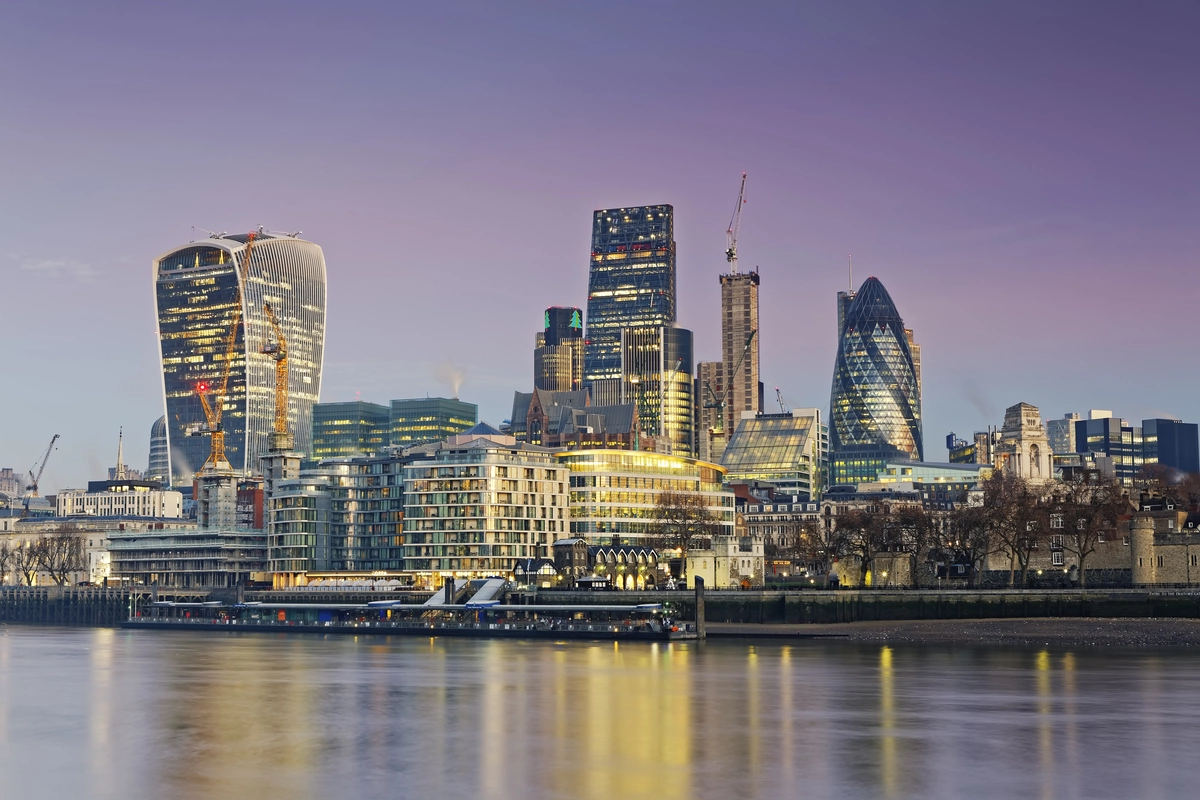
    London smells like wet stone, diesel and toast at 7:30 a.m. The city can look ceremonial from the outside — guards, grand hotels, polished black cabs — but its best trips are built on neighborhood choices, not postcard boxes. After enough stays split between the West End and west London the pattern is obvious: book the right base, leave room for museums and theater, and stop pretending Buckingham Palace is the whole show. Here’s what actually matters.

    London is a city of neighborhoods, not one glossy set

    A lot of first drafts of London trips make the same mistake: one expensive hotel, one palace photo, one rushed market, then a panic Tube ride somewhere “local.” That is not how London works. The parts most luxury travelers use — Mayfair, Belgravia, Marylebone, Kensington and the South Bank — each solve a different problem. For the broad city picture, start with Visit London and then narrow fast.

    Mayfair is for people who want polish on the doorstep: Bond Street, galleries, old-money hotel bars and easy walks through Green Park. Belgravia is quieter and more residential, with white stucco terraces and a lower-volume setting after dark. Marylebone feels softer on the nerves — more breakfasts, bookshops and side streets. Kensington wins if museums and park access matter more than label shopping. Different speeds. Different city.

    Where I’d actually stay

    If this is your big London trip, The Savoy still makes a strong case. It’s the only five-star hotel on the river, with 263 rooms and suites, and the location near Covent Garden means theater, the Strand and the Thames are right there. Not dramatic.

    Claridge’s is the Mayfair move when you want London at full volume but still controlled, the house style is Art Deco and old-school in the right ways.

    Rosewood London is the one I’d steer toward if you want a central base that feels less performative. High Holborn is practical and the rooms are calmer than a lot of London luxury stock. The Ned works for a different traveler entirely: City of London, bigger scene, more restaurants, more motion. Good if your after nightlife and a self-contained hotel machine.

    What to do when Buckingham is not the point

    If you care go to Buckingham Palace. Then move on.

    The V&A is where London starts earning your museum days. It’s free, huge — 145 galleries across 12.5 acres — and if you try to “do” the whole thing, you’ll flatten yourself. Pick two departments and call it a win. Much better. Use the V&A to check current hours and whatever fashion show is eating the ticket supply.

    Tate Modern is the other anchor, especially if you pair it with a South Bank walk. The main collection is free, Friday and Saturday hours run later, and the approach matters: river air, skateboards under the concrete, coffee smell from the concourse and that huge turbine-hall scale when you walk in. Start with Tate Modern and then let the river pull you east or west.

    And yes book theater. London is one of the few cities where I’ll tell people to reserve a museum and a stage seat before they lock a restaurant.

    Afternoon tea, dinner, and what is actually worth the money

    Afternoon tea in London can be lovely or ridiculous. Sometimes both.

    Claridge’s is expensive at £95 per person for the traditional version, and more with Champagne, but this is one of the cases where the room, pacing and service justify the ticket. The Savoy starts from £90 per person, and if you’re already staying nearby its an easy luxury splurge that does not feel too costumey.

    For food beyond tea, do not build the trip around formal tasting menus unless that’s your whole personality. London is better when you mix one polished meal, one market day and one neighborhood dinner. Borough Market is free to enter and open most of the week, not just Saturday.

    Getting around, and the 2026 ETA thing Americans cannot ignore

    London transit is one of the rare systems where the simple answer is the correct one: tap your phone or contactless card and move on. You do not need to over-engineer Oyster versus contactless for a short trip because TfL caps both. In 2026, the daily cap for Zones 1–2 is £8.90 and the weekly cap is £44.70. Check Transport for London before you go, then forget about it and ride.

    This matters because London distance is measured in Tube friction more than mileage. A cheaper hotel further out can cost you energy all day and rarely does enough to accomodate the hassle. If you’re bouncing between Mayfair, the V&A, Borough Market and the South Bank, central beats clever.

    Three things worth booking before you land

    • Get your UK ETA sorted before you even think about airport lounge outfits.
    • Book one museum or exhibition slot if there’s a temporary show you care about.
    • Book one tea, theater or dinner reservation that anchors a day, then leave the rest loose.

    The ETA is the non-negotiable part. From 25 February 2026, U.S. citizens need an approved UK Electronic Travel Authorisation before boarding for tourism, short business trips or family visits. As of April 2026, it costs £20 and lasts for two years or until your passport expires. Simple. Apply through the official UK ETA page only, because fake helper sites will absolutely try to skim you.

    What I’d skip, and the London rhythm I’d use instead

    I would skip over-scheduling Notting Hill unless you’re there on a Saturday for Portobello or you genuinely want the neighborhood. I would skip trying to do the V&A, Tate Modern and a matinee in one day. And I would definitely skip staying too far out just to say you got a “deal.”

    The London rhythm that works best is slower than people think, one neighborhood in the morning, one major cultural stop in the afternoon, one reservation at night. That’s enough.

    If I had four days I’d do Mayfair and Marylebone first, then Kensington and the V&A, then South Bank and Tate Modern, then a theater-led Covent Garden evening.

    Five Questions People Actually Ask

    Is London still worth it if I hate crowds? Yes, but stay in the right place and build around mornings. Marylebone and Belgravia have less people yelling outside your window than some first-time visitor bases.

    Savoy or Claridge’s? Savoy if you want river views and theater adjacency. Claridge’s if you want Mayfair at its most polished.

    Is afternoon tea worth the money? Sometimes. At Claridge’s or The Savoy, yes. At random pretty rooms with weak tea and dry scones, no.

    Do I need a car? Absolutely not. Between walking and TfL caps, a car is mostly a bad idea in central London.

    What’s the one admin thing Americans should not miss in 2026? The ETA. Sort it early and use the official UK process, because airlines can refuse boarding if you show up without it.

  • Las Catalinas, Costa Rica: The Car-Free Beach Stay Worth Booking

    Las Catalinas, Costa Rica: The Car-Free Beach Stay Worth Booking

    Last updated: May 2026. Costa Rica hotel rates and tour pricing shift seasonally — confirm current rates with operators directly. Entry requirements for U.S. travelers may change; check travel.state.gov before booking.

    The first thing that feels expensive here is silence. No cars idling outside breakfast, no golf carts whining uphill, no valet choreography — just sandals on stone, salt in the air, coffee, sunscreen and a room key in your hand. After a few days in town the logic clicks. Very quickly. Las Catalinas can look a little engineered at first, but for the right traveler that is exactly the point. Here’s how I’d do it.

    The Reality of “Car-Free”

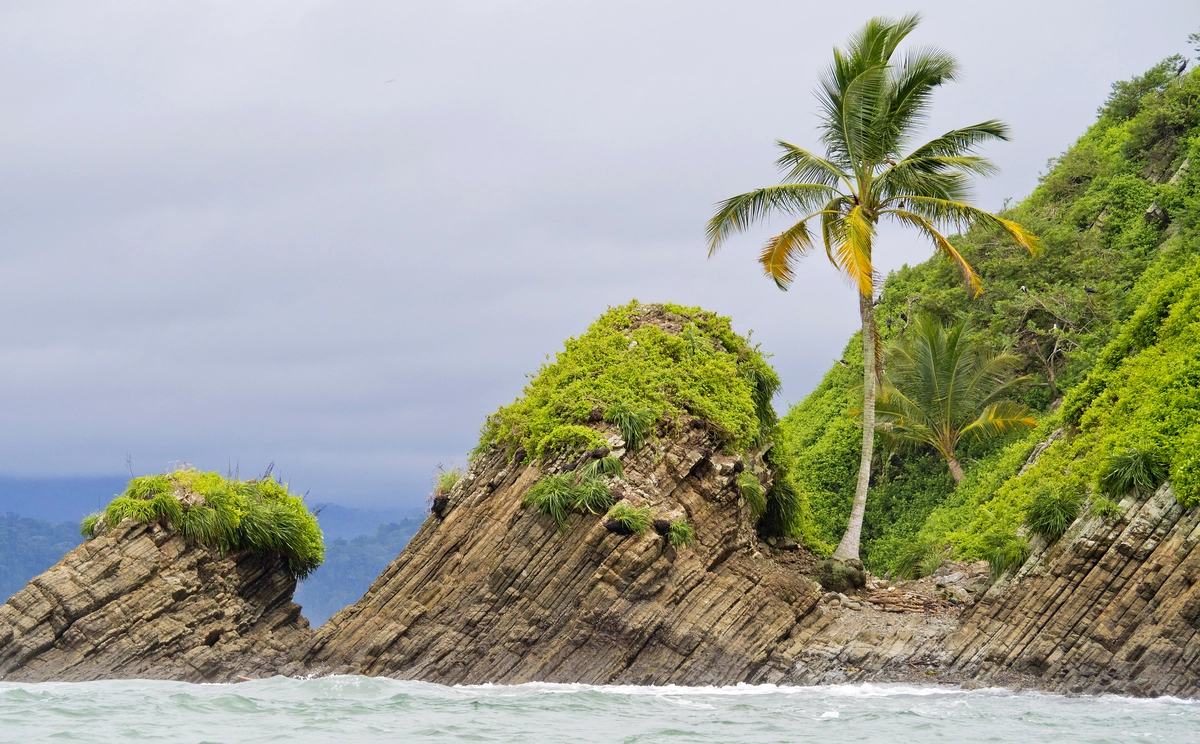
    Las Catalinas is a master-planned beach town built to be walked, not an improvised hamlet that happened to keep cars out, and the official Las Catalinas overview is very clear about that: this is a car-free, fully walkable town on the Guanacaste coast, with vacation rentals, hotels, restaurants, trails, and services packed into a compact footprint near Playa Danta.

    That means two things at once. First, the quiet is real. Second, its a planned village, not an old Costa Rican town that gradually became chic. If that distinction bothers you, it will probably keep bothering you. If what you want is a week where everything is on foot and nobody is reverse-parking a rental SUV outside your aperitif, it works.

    It is also hillier than people expect. “Walkable” does not mean flat. The plaza level is easy. The upper rentals are not hard exactly, but they do make you earn dinner.

    The Two Beaches You’ll Actually Use

    If your doing four to seven days here, you are really using two beaches: Playa Danta and Playa Dantita. The official Las Catalinas water-activities page treats them as the core pair, and that is basically right.

    Playa Danta is the practical beach. It sits right below town, it is easy to step into between breakfast and lunch, and it works for the kind of traveler who wants beach time without turning it into an event. Paddleboard in the morning, quick swim in the late afternoon, back upstairs for a shower and dinner. Clean rhythm.

    Playa Dantita is the better second beach. You walk over from Danta and the mood changes fast: less people on the trail, less town noise, more of a private cove feeling. If you stay long enough, you start using Danta for convenience and Dantita for mood.

    Where to Stay for Four to Seven Nights

    For most couples doing four nights, Santarena is the easiest answer. The hotel sits directly on Playa Danta in the center of Las Catalinas, and the operational advantage is obvious the minute you arrive: the beach is steps away, dinner is five minutes uphill or less, and you never really have to “go back out” once you’re in. Santarena itself describes that central beachfront position very plainly.

    If you stay four nights and want a proper hotel with staff, one pool, one front desk, one clean answer to every question, book Santarena. If you are staying longer, traveling with children, or sharing the trip with another couple, the official Las Catalinas vacation rentals start making more sense. Kitchen, living room, laundry, terraces, better odds of having your own small world.

    Then there is Casa Chameleon, the adults-only hilltop option above town with 21 private villas and plunge pools. I like it for honeymooners, anniversary trips, and travelers who care more about privacy and room time than being able to walk downstairs barefoot for coffee. Not nothing.

    Three things worth booking before you arrive

    Airport transfer. Even if you usually rent a car in Costa Rica, Las Catalinas is one of the few places where skipping it can actually improve the stay.

    Your first dinner. Land, shower, sit down, order something cold. Do not spend the first hour of a short stay negotiating where to eat.

    A trail decision. Not a whole plan — just whether you are walking or riding. The town rewards people who decide that before 10 a.m.

    Food in the Plaza

    There are enough places to eat well here, but not so many that you need to overthink it. The official dining pages and in-town dining roundup make that clear: this is a compact food scene with a handful of places that each do a distinct job.

    Celeste is the easy first-night move because it sits right by the beach and does the mood work for you. Tamaki is where I’d go when I’m tired of beach clubs, surf bars and barefoot-party energy and want dinner to feel a little sharper. Pascual is useful when you want an actual evening out without leaving town. What occured to me the second time I ate here is that Las Catalinas works better when you book one or two anchor dinners and let the rest of the meals stay loose.

    Trails: Walk or Ride?

    The trail system is one of the reasons Las Catalinas earns more than a long weekend. Official Las Catalinas trail material puts it at more than 42 kilometers of singletrack through a 1,000-acre tropical dry forest reserve, with trailheads close enough that you can go from rental door to climb in minutes.

    If you want one active block each morning, walk. If you know you’ll see mountain bikes leaning outside breakfast and regret not renting one, ride. Either way, start early. its a sweaty, bright place by late morning, and dry-forest heat is not subtle. Dusty, hot, worth it.

    Pack trail shoes, reef-safe sunscreen and more water than you think you need. The luxury move here is not pretending you are above the climate.

    Getting In and Out — and the Day Trips That Make Sense

    If you are flying into Liberia book with the assumption that Las Catalinas is about an hour away with travel time. Official guidance points travelers to Liberia International Airport as the obvious gateway with transfers by car or helicopter.

    The strongest argument against a rental car is simple: once you arrive, you do not need it much. The transfer is easy, the last stretch is easier when somebody else is driving, and a car-free town is nicer when you commit to the premise.

    • Day 1: Liberia arrival, transfer, check-in, Playa Danta before sunset, easy dinner.
    • Day 2: Early trail walk or ride, long lunch, slow beach afternoon.
    • Day 3: Dantita morning, padel or paddleboard later, proper dinner at night.
    • Day 4: Keep it local unless you are truly restless — Flamingo works, Tamarindo usually doesn’t.

    The day trip I’d skip is Tamarindo unless nightlife is the specific brief. Las Catalinas works because it stays small; leaving to chase a busier beach town usually weakens the whole stay.

    Five Questions People Actually Ask

    Is it worth it for honeymooners? Yes. Santarena if you want easier beach life; Casa Chameleon if privacy matters more than proximity.

    Can you do it without a rental car? Easily. This is one of the few Costa Rica beach stays where going car-free on purpose actually improves the trip.

    Is it better than Tamarindo? For quiet, yes. For nightlife, no.

    What’s the deal with the howler monkeys? They are part of the soundtrack here, and Las Catalinas’ own daily notes have treated them exactly that way. The first time you hear them before sunrise, it sounds larger than the animal making it.

    Is it family-friendly? More than people expect. Villas make longer stays easier, Playa Danta is manageable, and the whole town is simple to navigate on foot — as long as your suitcase budget can accomodate the hill work.