Category: Europe

  • Iceland Nature: Glaciers, Geysers, and Volcanic Landscapes

    Iceland Nature: Glaciers, Geysers, and Volcanic Landscapes

    Last updated: May 2026. Eruption access, weather, parking fees, and road conditions can change quickly in Iceland. Confirm current conditions with Safetravel before booking.

    It’s the smell of sulfur outside the car at Haukadalur, the wet wool feeling of gloves after a glacier stop, the hard slap of wind on the South Coast. After a couple of loops through the country what I trust most is the texture. Cold enough to wake you up. Loud enough to keep you honest. Here’s how I’d actually do Iceland nature now.

    Why Iceland Feels So Physical

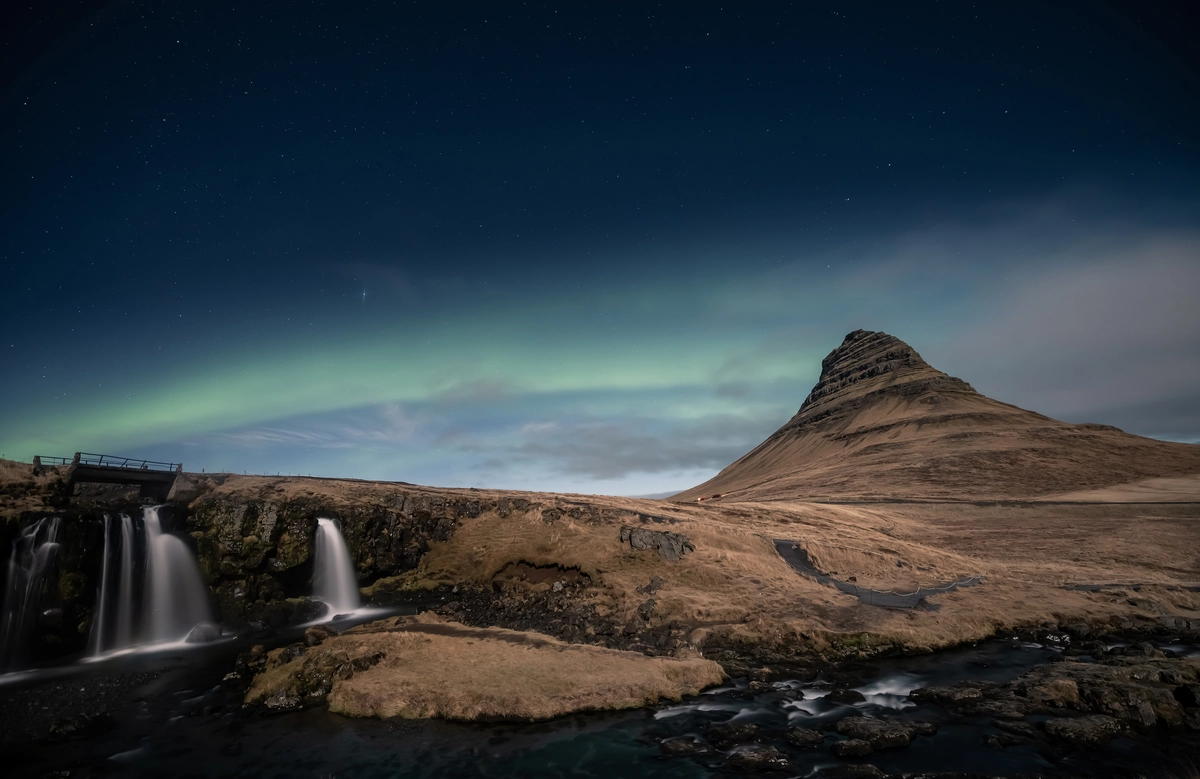
    Iceland gets reduced to a neat slogan — glaciers, geysers and volcanoes — and the real country is rougher than that. Glaciers cover about 11% of the island, with 269 named glaciers, and many sit close to active volcanic systems. Visit Iceland leans on the “fire and ice” contrast for a reason, but in person it feels less like branding and more like geology refusing to be tidy. Vatnajökull alone takes up roughly 8% of Iceland’s landmass. The national park around it covers about 14% of the country. That isn’t scenery in the casual sense. Its geography pushing back.

    What makes Iceland special is that the contrasts are not decorative. Steam comes off the ground while ice sits on the horizon. Nature here is still in charge.

    The Glacier Country Worth Your Time

    If you’re only doing one serious nature stretch make it the southeast. The area around Vatnajökull National Park is the one I would send most first-time visitors to, because it gives you scale. Parts of the glacier are more than 1,000 meters thick, and the whole system has been thinning over time.

    At Jökulsárlón the lagoon looks still, the ice is always moving. Regional parking at Skaftafell and Jökulsárlón starts at 1,040 ISK for a standard car, so don’t build your budget around old posts that still act like every stop is free.

    Three glacier splurges I’d actually recommend

    First: a guided glacier hike near Skaftafell or Sólheimajökull. If your doing Iceland once, this is the cleanest entry point. Crampons, rope, a guide who knows what they’re looking at, and less people wandering around pretending they understand glacier terrain than you’d think.

    Second: a Zodiac tour at Jökulsárlón. Prices start around 14,900 ISK, and the boats get you closer to the ice than the cheaper amphibian option. Colder, louder, better. Worth it.

    Third: a Katla ice cave tour from Vík, if you can accomodate the spend. Group departures start around 29,900 ISK, and the color palette alone is enough to justify it — soot, blue ice, wet black rock, everybody suddenly whispering.

    Geysers Done the Right Way

    The Golden Circle is easy to do badly. Too late in the day, too many stops, too much windshield time. Done early, Haukadalur earns its reputation. Strokkur erupts every 5 to 10 minutes, which means you don’t need luck so much as two patient cycles. The second is usually better.

    Great Geysir is mostly dormant now, but the valley still explains itself fast: boiling ground, mineral color and steam drifting sideways in the wind. By late morning the coach traffic changes the mood completely so I like to get in, walk it properly, and leave. If you want a quieter fire-and-ice day, Snæfellsjökull National Park is the one I reach for: Iceland’s only national park that runs from summit to sea. Not subtle.

    Where Fire Still Matters

    Volcano headlines make people dramatic, and Iceland usually does not deserve that treatment. Recent eruptions on the Reykjanes Peninsula have been highly localized, with officials repeatedly saying that flights and most travel across the country continue as normal outside restricted zones. That’s the right way to think about it. Respect closures. Check conditions. Don’t cancel a glacier-heavy trip in the east because of one fissure near Grindavík.

    My low-drama rule is simple: check Visit Reykjanes for current access, download the 112 Iceland app before you leave Keflavík, and never improvise near fresh lava. New lava can collapse underfoot, exposing heat below. Its not the place for bravado.

    The Coast That Needs Respect

    People treat Reynisfjara like a quick photo stop, and that’s exactly how they get in trouble there. It remains one of Iceland’s most dangerous natural sites because of sneaker waves, strong currents, and the kind of back-pull that makes the whole beach feel mean for a second. Early 2026 storms and erosion reshaped parts of it, too, narrowing areas that older guidebooks describe as casually walkable.

    At Reynisfjara the light system is the whole story. Red means stay off. Yellow means you keep back to the marked line. Green still means you watch the sea every second. If waves are reaching the rocks I stay up on the ridge or platform and call that enough, especially when its rough and the beach has narrowed.

    What It Costs, and How I’d Shape the Route

    Iceland is still a place where access to nature sounds free until the logistics start stacking up. Þingvellir parking runs about 1,000 ISK. Skógafoss parking has been 1,000 ISK since May 2025. Jökulsárlón and Skaftafell use the regional-fee model. Over a week it adds up fast.

    Then there’s Blue Lagoon. It’s man-made, not a natural hot spring basin, and the water usually sits around 37–40°C. Current starting prices are around 11,990 ISK for Comfort, 14,990 ISK for Premium and 18,490 ISK for Signature, with dynamic pricing on top. I still prefer it at the edges of the day, when the light goes milky and it feels calmer.

    If you’re chasing glaciers, geysers, black sand, and volcanic landscapes I would not move hotels every night. The real luxury move in Iceland is time.

    • Day 1: Reykjavík arrival, easy dinner, bed.
    • Day 2: Thingvellir, Haukadalur, Gullfoss, then sleep nearby.
    • Day 3: South Coast with Seljalandsfoss, Skógafoss and a careful Reynisfjara stop, then Vík.
    • Day 4: Glacier hike or Katla cave, depending on weather.
    • Day 5: Skaftafell and Jökulsárlón, with room to stay late.
    • Day 6: Weather buffer, Zodiac add-on, or a slow drive west.

    That buffer day matters more than people think. Iceland weather changes fast, your schedule should flex with it. That’s how the trip feels luxurious in the end — not because every stop is expensive, but because your not trying to cram the whole island into one tired week.

    Five Questions People Actually Ask

    How many days do I need? Six full days gets you a satisfying version of this trip. Eight is where it starts to breathe.

    Should I do Blue Lagoon or skip it? If you hate paying for atmosphere, skip it. If you like good design, hot water, and not thinking for two hours after a long flight, go.

    Do I need a guide on glaciers? Yes. Guided only. Glacier terrain is not where confidence should outrun training.

    Are Iceland volcanoes a reason to cancel? Usually no. Check official Reykjanes and government updates, avoid closed zones, and plan around the actual affected area instead of the headline.

    What safety risk gets underestimated most? Reynisfjara. Not because it looks violent all the time, but because sometimes it doesn’t.
  • London, UK Luxury Travel Guide: Hotels, Tea, Museums, Transit

    London, UK Luxury Travel Guide: Hotels, Tea, Museums, Transit

    Last updated: May 2026. Prices, opening hours, and entry requirements shift with seasons and policy changes — confirm directly with operators or official sources before booking. U.S. travelers should check travel.state.gov for current entry requirements.

    London smells like wet stone, diesel and toast at 7:30 a.m. The city can look ceremonial from the outside — guards, grand hotels, polished black cabs — but its best trips are built on neighborhood choices, not postcard boxes. After enough stays split between the West End and west London the pattern is obvious: book the right base, leave room for museums and theater, and stop pretending Buckingham Palace is the whole show. Here’s what actually matters.

    London is a city of neighborhoods, not one glossy set

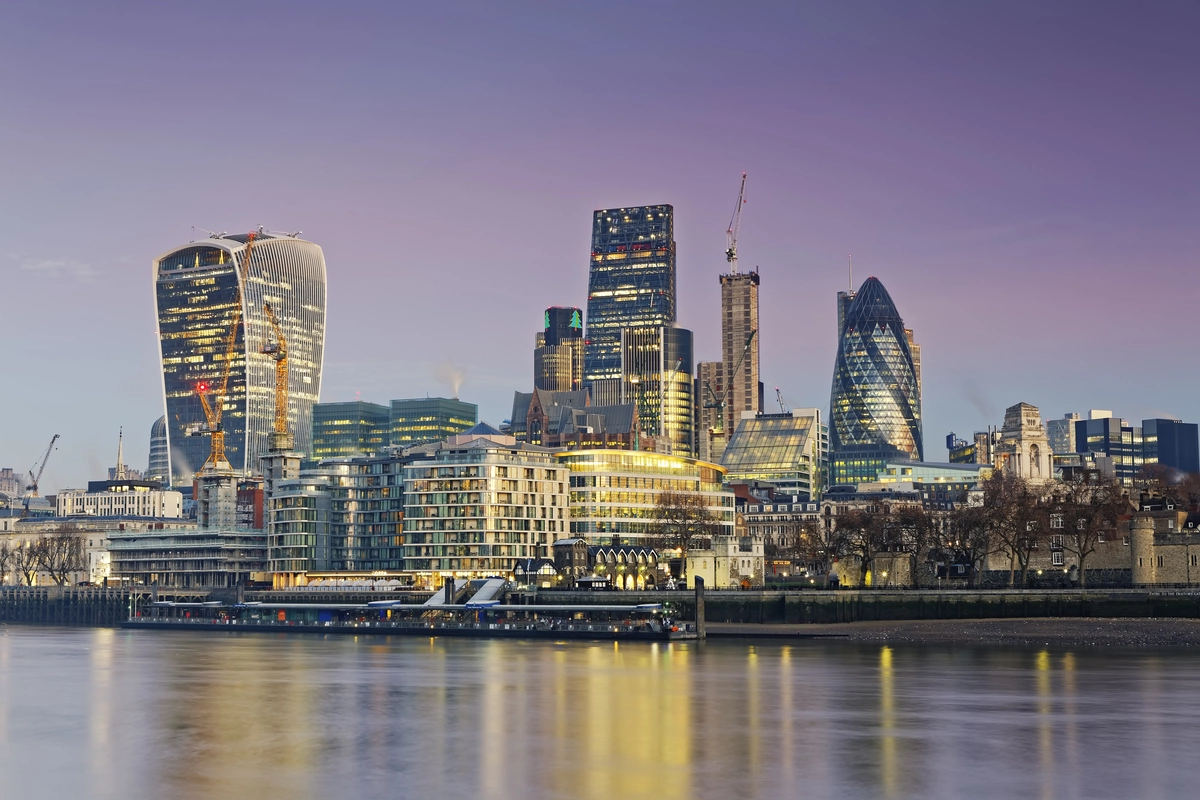
    A lot of first drafts of London trips make the same mistake: one expensive hotel, one palace photo, one rushed market, then a panic Tube ride somewhere “local.” That is not how London works. The parts most luxury travelers use — Mayfair, Belgravia, Marylebone, Kensington and the South Bank — each solve a different problem. For the broad city picture, start with Visit London and then narrow fast.

    Mayfair is for people who want polish on the doorstep: Bond Street, galleries, old-money hotel bars and easy walks through Green Park. Belgravia is quieter and more residential, with white stucco terraces and a lower-volume setting after dark. Marylebone feels softer on the nerves — more breakfasts, bookshops and side streets. Kensington wins if museums and park access matter more than label shopping. Different speeds. Different city.

    Where I’d actually stay

    If this is your big London trip, The Savoy still makes a strong case. It’s the only five-star hotel on the river, with 263 rooms and suites, and the location near Covent Garden means theater, the Strand and the Thames are right there. Not dramatic.

    Claridge’s is the Mayfair move when you want London at full volume but still controlled, the house style is Art Deco and old-school in the right ways.

    Rosewood London is the one I’d steer toward if you want a central base that feels less performative. High Holborn is practical and the rooms are calmer than a lot of London luxury stock. The Ned works for a different traveler entirely: City of London, bigger scene, more restaurants, more motion. Good if your after nightlife and a self-contained hotel machine.

    What to do when Buckingham is not the point

    If you care go to Buckingham Palace. Then move on.

    The V&A is where London starts earning your museum days. It’s free, huge — 145 galleries across 12.5 acres — and if you try to “do” the whole thing, you’ll flatten yourself. Pick two departments and call it a win. Much better. Use the V&A to check current hours and whatever fashion show is eating the ticket supply.

    Tate Modern is the other anchor, especially if you pair it with a South Bank walk. The main collection is free, Friday and Saturday hours run later, and the approach matters: river air, skateboards under the concrete, coffee smell from the concourse and that huge turbine-hall scale when you walk in. Start with Tate Modern and then let the river pull you east or west.

    And yes book theater. London is one of the few cities where I’ll tell people to reserve a museum and a stage seat before they lock a restaurant.

    Afternoon tea, dinner, and what is actually worth the money

    Afternoon tea in London can be lovely or ridiculous. Sometimes both.

    Claridge’s is expensive at £95 per person for the traditional version, and more with Champagne, but this is one of the cases where the room, pacing and service justify the ticket. The Savoy starts from £90 per person, and if you’re already staying nearby its an easy luxury splurge that does not feel too costumey.

    For food beyond tea, do not build the trip around formal tasting menus unless that’s your whole personality. London is better when you mix one polished meal, one market day and one neighborhood dinner. Borough Market is free to enter and open most of the week, not just Saturday.

    Getting around, and the 2026 ETA thing Americans cannot ignore

    London transit is one of the rare systems where the simple answer is the correct one: tap your phone or contactless card and move on. You do not need to over-engineer Oyster versus contactless for a short trip because TfL caps both. In 2026, the daily cap for Zones 1–2 is £8.90 and the weekly cap is £44.70. Check Transport for London before you go, then forget about it and ride.

    This matters because London distance is measured in Tube friction more than mileage. A cheaper hotel further out can cost you energy all day and rarely does enough to accomodate the hassle. If you’re bouncing between Mayfair, the V&A, Borough Market and the South Bank, central beats clever.

    Three things worth booking before you land

    • Get your UK ETA sorted before you even think about airport lounge outfits.
    • Book one museum or exhibition slot if there’s a temporary show you care about.
    • Book one tea, theater or dinner reservation that anchors a day, then leave the rest loose.

    The ETA is the non-negotiable part. From 25 February 2026, U.S. citizens need an approved UK Electronic Travel Authorisation before boarding for tourism, short business trips or family visits. As of April 2026, it costs £20 and lasts for two years or until your passport expires. Simple. Apply through the official UK ETA page only, because fake helper sites will absolutely try to skim you.

    What I’d skip, and the London rhythm I’d use instead

    I would skip over-scheduling Notting Hill unless you’re there on a Saturday for Portobello or you genuinely want the neighborhood. I would skip trying to do the V&A, Tate Modern and a matinee in one day. And I would definitely skip staying too far out just to say you got a “deal.”

    The London rhythm that works best is slower than people think, one neighborhood in the morning, one major cultural stop in the afternoon, one reservation at night. That’s enough.

    If I had four days I’d do Mayfair and Marylebone first, then Kensington and the V&A, then South Bank and Tate Modern, then a theater-led Covent Garden evening.

    Five Questions People Actually Ask

    Is London still worth it if I hate crowds? Yes, but stay in the right place and build around mornings. Marylebone and Belgravia have less people yelling outside your window than some first-time visitor bases.

    Savoy or Claridge’s? Savoy if you want river views and theater adjacency. Claridge’s if you want Mayfair at its most polished.

    Is afternoon tea worth the money? Sometimes. At Claridge’s or The Savoy, yes. At random pretty rooms with weak tea and dry scones, no.

    Do I need a car? Absolutely not. Between walking and TfL caps, a car is mostly a bad idea in central London.

    What’s the one admin thing Americans should not miss in 2026? The ETA. Sort it early and use the official UK process, because airlines can refuse boarding if you show up without it.