Last updated: May 2026. Prices, opening hours, and entry requirements shift with seasons and policy changes — confirm directly with operators or official sources before booking. U.S. travelers should check travel.state.gov for current entry requirements.
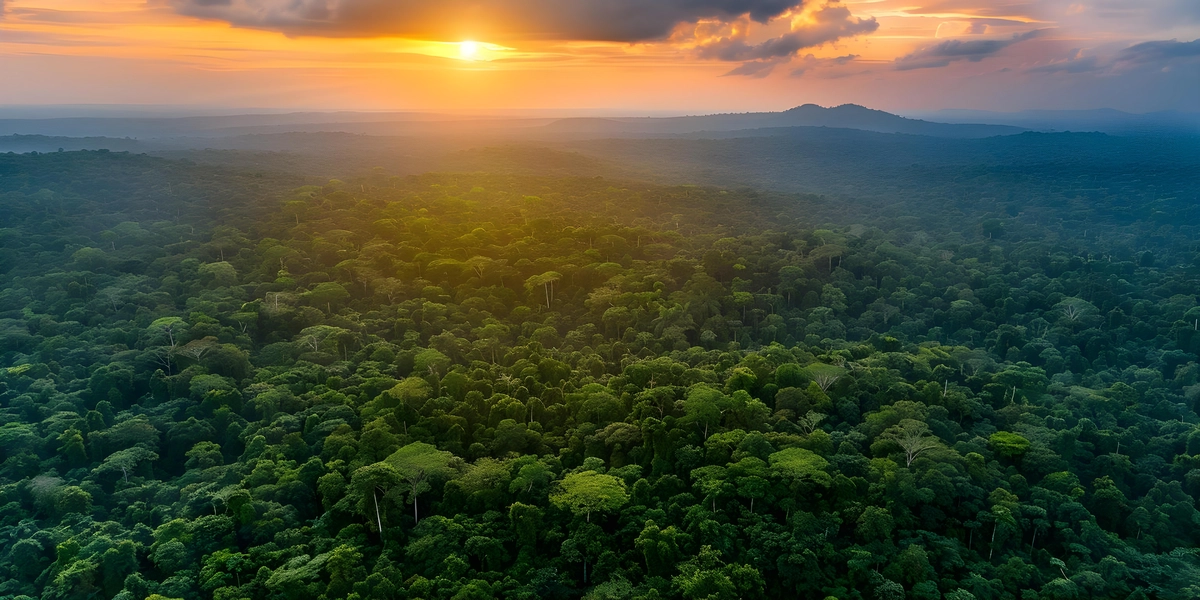
The first surprise in the Brazilian Amazon is how quickly Manaus stops mattering. One minute it is diesel on the riverfront, a damp shirt by breakfast and black water that reflects the sky like smoked glass. That contrast is the whole sell. The luxury version is not softer jungle. It is better logistics, better guiding, and less wasted time. After a few Amazon itineraries the pattern is obvious. Here’s what actually matters.
The Brochure Version Gets This Wrong
A lot of Amazon copy still treats “luxury” as if it means the forest with prettier linen. It doesn’t. The Brazilian Amazon is hot, muddy, loud at dawn, and often wet even when travelers call it “dry season.” What money buys you here is not distance from that. It buys you a room that cools down properly, a guide who can call out a toucan before you see the branch move, and a boat schedule that does not feel improvised.
That is why eco-luxury works here when it works at all. You are not paying for fantasy. You are paying for access, smaller groups, and competence. Not fantasy.
Manaus Is the Gateway, Not the Goal
Manaus works best as a hinge. Brazil’s official tourism material is right to push the Meeting of the Waters, Amazonian cuisine and the city-to-river contrast, but most luxury travelers do not need three full nights here. One on arrival is usually enough. Two only if your flight lands late or you want a small buffer before the river transfer.
If you do stay make the river your priority. A dedicated Meeting of the Waters trip is normally three to four hours, and it is worth doing early or late rather than in the thick of the day. The line between the coffee-black Rio Negro and the sand-colored Solimões is visible from deck level for kilometers, and you can literally feel the temperature difference by dipping a hand over the side. The better 2026 tours run roughly US$45–65 for a half-day group outing; private boats climb fast from there.
Where to Actually Stay
For most first-timers Anavilhanas Jungle Lodge is the cleanest answer. It faces Anavilhanas National Park on the Rio Negro and has 25 rooms, two pools, a floating bar, a massage room and enough structure to make three to five nights feel easy. The official lodge site is useful for the room categories and excursion style, and the official 2026 tariff is unusually clear: full-board, transfers, and small-group outings are built in, with chalet packages starting from R$7,320 per person for 3 days and 2 nights in low season.
Mirante do Gavião is the one I’d steer design-minded travelers toward. It is smaller — 13 suites — and based in Novo Airão rather than deeper off-grid forest, so the transfer from Manaus is simpler and the whole stay feels sharper. It is also one of the better picks for food-focused travelers, because the dining is taken seriously rather than treated as jungle fuel.
Juma Amazon Lodge is for people who want to feel farther gone. The transfer is a mixed road-and-boat run of about three hours southeast of Manaus, and the stilted bungalows in the canopy make the whole thing feel more remote. If your idea of luxury is more privacy, more canopy and less contact with anything resembling a town, Juma makes sense.
Three stays worth booking for different reasons
First: Anavilhanas if this is your first Brazilian Amazon trip and you want the best balance of comfort, wildlife, and polished logistics.
Second: Mirante do Gavião if your taste runs more architectural and you like being based in Novo Airão with easier access to the archipelago.
Third: Juma if your brief is more privacy, more canopy, and less contact with anything resembling a town. Clean answer.
A Good 5-Night Amazon Plan
This is not a destination that rewards stuffing every day. The lodges already know when the light is right, when the river is calmer and when the birds are louder.
- Day 1: Arrive in Manaus, sleep there, and do not pretend you want a heroic sightseeing push after a long-haul.
- Day 2: Transfer to your lodge, settle in, do the late-afternoon river outing, then the night excursion for caiman eye-shine.
- Day 3: Early-morning birding or primate spotting, long lunch, hammock or pool time, sunset by speedboat.
- Day 4: In high water, canoe through flooded igapó forest; in low water, do a longer trail or beach stop on the Rio Negro.
- Day 5: Add one deeper outing — pink dolphins, a more serious birding session, or a community visit if the operator handles it well.
- Day 6: Return to Manaus and either fly out or give yourself one buffer night.
If you are doing only four nights cut the Manaus buffer and go straight for the lodge transfer on arrival day, assuming your flight timing allows it. Still good.
When to Go: High Water vs Low Water
People still talk about the Amazon as if there is one rainy season and one dry season with a clean border. That is not how this part of Brazil actually feels. Around Manaus and the Rio Negro, the more useful split is high water versus low water, and the ICMBio visitor guide for Anavilhanas is one of the better official explanations of that rhythm.
High water generally runs about December to May, though park officials are clear that the exact timing shifts year to year. This is when the igapó forest floods and you move silently between tree trunks by canoe or small boat. Its the season I’d choose for first-timers who want the dark-water-through-the-forest feeling they came for.
Low water is usually June or July through November. The river drops, white-sand beaches appear, and more trails open up. This is the better fit for travelers who want to get out on foot and see the riverbanks exposed. Different trip. Not worse.
What Responsible Means Here — and What to Skip
This is the paragraph a lot of luxury Amazon stories duck. “Eco” sounds good until you ask what it means. In practice, the responsible operators here usually have the same bones: legal park access, very small groups, bilingual naturalist guides and an approach to wildlife that is less performance, more patience.
On the Rio Negro, one practical upside is that the acidic blackwater environment tends to mean less mosquitoes than many white-water parts of the Amazon. Nice, yes. But the bigger difference is guide quality. What occured to me on the Rio Negro is how quickly weak guiding flattens a place like this. One great guide changes everything, one weak one turns the trip into a damp boat transfer with birds.
What I would skip? A rushed “Amazon day trip” sold as if Anavilhanas were a quick checkmark from Manaus. It isn’t. The archipelago covers more than 350,000 hectares and deserves at least three nights. I would also skip Jaú National Park unless you have time for a proper expedition. Very cool. Not casual.
Five Questions People Actually Ask
Is this actually luxurious, or just expensive jungle tourism? It can be both. The better lodges genuinely deliver comfort, strong guiding and a day rhythm that makes sense in the heat.
Which lodge is best for a first trip? Anavilhanas Jungle Lodge is the safest first pick. It gets the balance right.
Is Manaus worth more than one night? Usually no. One night before and maybe one after is enough for most people.
When is wildlife better? Not a simple answer. High water is better for boat-based forest exploration; low water is better for trails, beaches and certain terrestrial sightings.
Do I need a specialist to book this? If your budget can accomodate it, yes. In the Amazon, the difference between a decent trip and a very good one often shows up in the transfer plan and the guide, not the thread count.
Leave a Reply